

Looking for more expert insights?
Our innovative solutions put your customer front and center.
The design of end-to-end supply chain planning processes has become an increasingly critical topic for organizations. In today's economy, businesses must manage complex networks of suppliers and distributors while meeting increased customer expectations to remain competitive. To ensure your supply chain is resilient and agile enough to meet the challenges of the modern business environment, it is essential to attain a high level of supply chain maturity, including well-designed planning processes.
In this blog post, we will explain how we approach the redesign of the supply chain planning processes.

The approach to redesign the planning process can be divided in three steps

Strategic intent and as-is review
The starting point of this project is to understand the business strategy and to identify how the planning processes should support this strategy. This input is important to analyze and design the processes. Next, we review the current end-to-end supply chain process to understand current issues, identify gaps with best practices and start driving the change management process. The assessment is concluded by a validation workshop with the team to get consensus on the current way of working
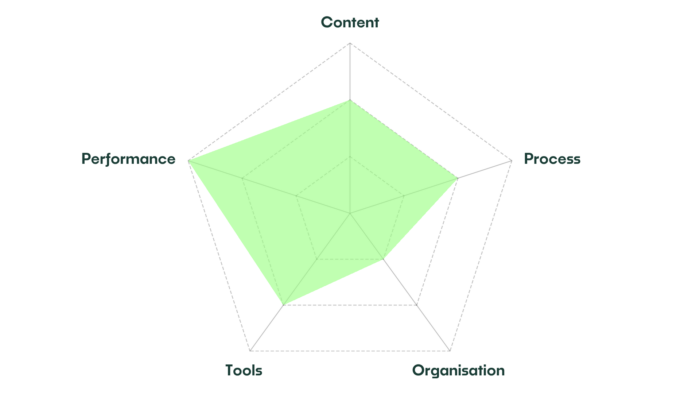
Redesign
Once the hiccups in the planning process and the strategically important factors are identified, you can develop the future design of the end-to-end supply chain planning processes. These various planning processes should be defined from a cross-functional perspective to ensure all stakeholder needs are addressed. We look at processes from different angles:
Translate the new processes into both functional and system requirements to conduct a fit-gap analysis with your current system landscape. This analysis will reveal whether you need an implementation partner.
Roadmap
The desired state is not achieved in one step but by working on different elements in specific initiatives. Attempting to address all initiatives simultaneously is not feasible. Map these issues based on their value, effort, and dependencies. This approach will result in a manageable improvement roadmap, guiding your supply chain to the next level.
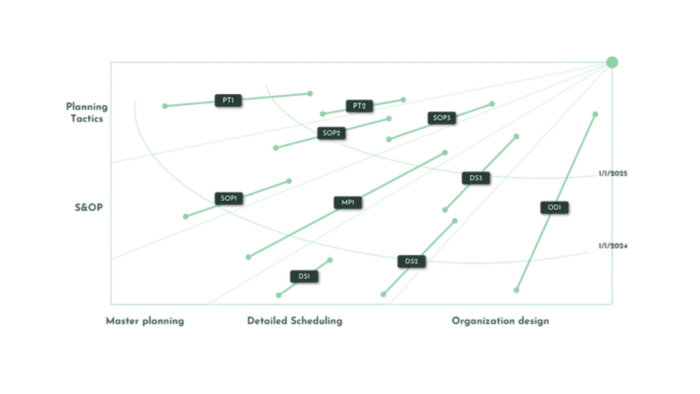
The described approach ensures a comprehensive review of your planning processes and offers guidelines to future-proof your supply chain, helping you achieve your business goals. We have used this approach multiple times and consistently achieved great outcomes. Our primary focus, with such projects, is to upholding your core business principles while transforming your planning processes to be more efficient, resilient, and aligned with your strategic objectives.
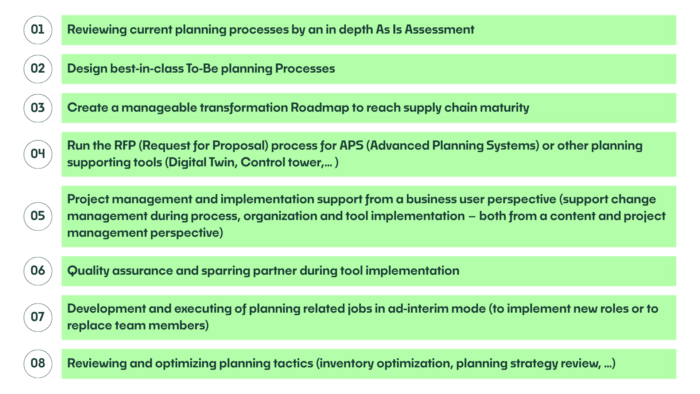
At Chronion, we provide support in following supply chain planning excellence related topics:

In this first article of our three part series, we explore why the old growth model is reaching its limits and why a more consumer and shopper centric approach is essential for companies that want to grow sustainably.

Many supply chain transformations fail by focusing on tools instead of processes, people, and purpose. Real impact requires clear strategy, cross-functional alignment, and strong change management.

In part one of our series, we explore how B2B companies can boost sales through data-driven pricing. By integrating complex data and creating tailored pricing models, businesses can unlock hidden value and enable smarter decision-making.