Looking for more expert insights?
Our innovative solutions put your customer front and center.
This post is part 2 of a 4-part series on Customer Revenue Optimization and our Smart Account Planning process based on the Rootit® platform.
There are plenty of examples that well-implemented analytics programs deliver significant top- and bottom-line growth by guiding revenue teams to better decisions. However, at the same time, many companies struggle to get a qualitative data lake in place and benefit from revenue analytics. The temptation to immediately jump into state-of-the-art, sophisticated analytics without considering the process integration aspect is a major cause why companies do not even get the basics right.
In our experience, successful sales organizations recognize that revenue analytics is a journey. A journey in which sales leaders encourage their team to base their decisions on data rather than on “gut”. Those organizations build a data-driven sales culture by embedding revenue analytics in their existing sales processes. That is also why we put fact-based insights and analytics at the core of our Smart Account Planning process.


All the data and insights in the world won’t matter if your team doesn’t use them. 3 tips to use your analytics more effectively:
Especially at the start of the journey, data quality is typically low and can be an easy argument to counter analytical insights. That said, it should not be a showstopper. Successful organizations install data hygiene processes and data reliability reports from day one. They communicate clearly on the progress and involve analytical users into the continuous data improvement cycle. They act fast when data issues are flagged, which builds trust and commitment.
Nice insights and charts do not grow revenue, the front line team does. How you package and transfer insights to them will be key in the journey. The best sales organizations listen to the analytical needs of their revenue team and invest in capabilities that deliver on those needs. Moreover, they stimulate cross-functional collaboration and accountability within the entire revenue team to leverage the individual strengths and increase the effectiveness. A uniform, structured and well understood revenue optimization model is a key enabler to facilitate those cross-functional decisions.
Nowadays Artificial Intelligence, Blockchain, Digital Twins, etc. seem to be everywhere, bringing higher efficiencies and effectiveness. Often, leaders in revenue optimization are using them and generating sales growth quickly. However, what they tend to neglect is the preceding journey to lay the foundation for those sophisticated analytics. Sales leaders should start by getting the basic insights right, embedding them in their processes and building a data-driven sales culture. Afterwards they can invest in advanced Revenue Optimization Intelligence like the artificial assistants OLGA and AIDA of the Rootit® platform.
The best sales process to leverage revenue analytics effectively is the Account Planning and Management cycle. Successful revenue teams regularly review and analyze different accounts to identify opportunities from a 360-degree perspective. Those growth opportunities are input to the account plans and to the customer visits. Based on the customer feedback, the data model can be enriched and the effectiveness of the actions can be monitored, creating additional insights for the next round of growth opportunity identification. A powerful, data-driven way to accelerate a sales organization’s capability to grow.
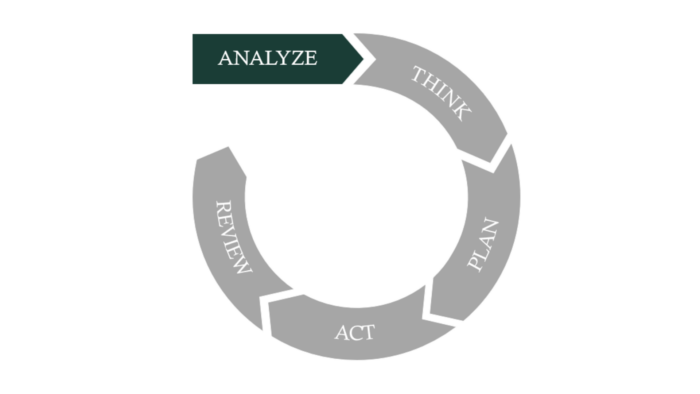
In the upcoming post, we will discuss problems, best practices and trends within the “Think & Plan phase” of our Smart Account Planning process.

Pricing solutions pop up like mushrooms.
It is hard to get a clear view on which solutions are best suited in the different phases of an end-to-end pricing process.

High inflation, bullish raw material markets and a consolidating retail landscape are a devastating mix leading to the aggravation of historically grown, unexplainable price differences across countries.

Many articles have been written about cost-to-serve, but despite this huge amount of information, a uniform definition for cost-to-serve does not seem to exist.